ARCHIVES
VOL. 7, ISSUE 9 (2022)
Pest and pollinator diversity in Momordica cymbalaria Hook (Fenzl.)
Authors
Yogapriya A, Selvamuthukumaran Thirunavukkarasu
Abstract
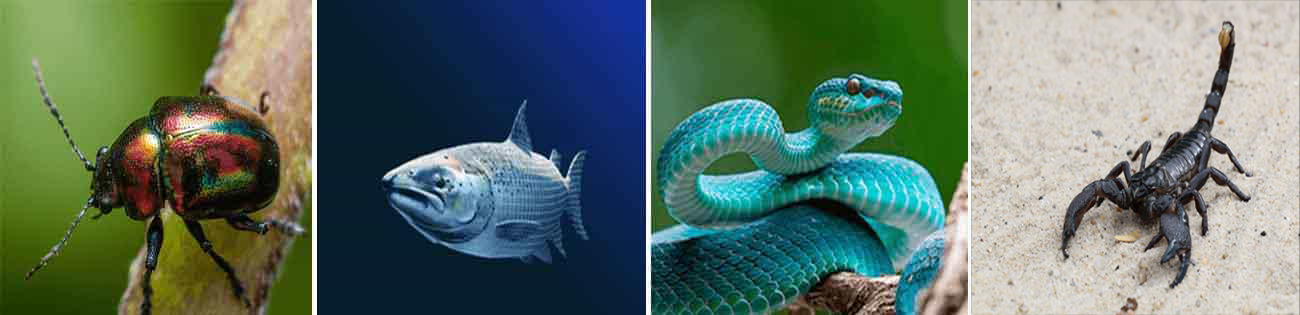
Momordica cymbalaria (Fam.: Cucurbitaceae) vernacularly called as Athalakai in Tamil is an under-utilized, non-cultivated, season-bound, vegetable harvested from wild sources. The plant is confined to Virudhunagar district and parts of Tirunelveli, Tenkasi, Thoothukudi, Madurai and Theni districts of Tamil Nadu and few parts of Karnataka, Andhra Pradesh and Telengana. However, Tamil Nadu holds more than 65 per cent of the area. The plant prefers well drained black and red soil with an annual rainfall of at least 5 cm. A good rainfall followed by a dry climate is favourable. Hadda beetle, cotton aphid and cucurbit fruit fly are the major pests and Yellow Mosaic Virus is found to be the important disease which is carried to subsequent seasons through infected tubers. Interestingly, scorpion nymphs are found to co-exist in large numbers on the tubers in the fields which might be due to presence of an attractant chemical. Solitary bees such as Lassioglossum sp. and Amegilla sp. are the major pollinators. The plant is so unexplored and is not given the position of a crop as it is not cultivated. As the plant is in the vague of extinction, researchers need to carry out studies aiming to improve seed viability, enhancing tuber germination and multiplication, developing crop cultivation protocol, and improving fruit shelf-life.
Download
Pages:1-6
How to cite this article:
Yogapriya A, Selvamuthukumaran Thirunavukkarasu "Pest and pollinator diversity in <em>Momordica cymbalaria</em> Hook (Fenzl.)". International Journal of Entomology Research, Vol 7, Issue 9, 2022, Pages 1-6
Pdf, Certificate, Cover Page, Index Page, Editorial Page, Accept Letter
Please enter the email address corresponding to this article submission.